






With a diverse landscape, rainfall, and geology, Kangaroo Island is home to over 250 species of birds. This trip showcases the iconic landscapes through the lens of birdlife and targets some of the 17 Island subspecies. Highlights include exploring the Bay of Shoals Sanctuary Zone from the ocean and Cygnet Park, a significant rewilding project important for the Kangaroo Island Glossy-black Cockatoo. Expect encounters with many of the Island’s mammals and learn about the philosophy of shared space with nature. Local food and wine served at remote locations ensure you get a real taste of Kangaroo Island.
As this is a private tour, there are alternate activities which can be substituted, and we recommend setting up the priority activities in advance to ensure availability.
Day 1
Begin your three-day birdwatching adventure with a short walk in the small coastal village of American River. Glossy Black-Cockatoos are frequent encounters in the bush, as are Grey Currawongs, Little Corellas, Galahs and Black-faced Cuckoo-shrikes. Along the shore, there are often Pied Oystercatchers, Royal Spoonbills, Black Swans, Grey Teal, Australian White Ibis, Australian Pelicans and Rufous Night Herons.
The Kingscote Oxidation Ponds usually produces a good cross-section of waterfowl, and the adjacent Cygnet River Estuary is always worth a look.
Have lunch at Reeves Point, which offers a chance to learn about the settlement history of the Island and often turns up quite a few birds – species vary with season.
After lunch, get out on the ocean with Kangaroo Island Marine Adventures and get a close look at Busby Islet. Here you can observe numerous birds from the boat, looking into colonies protected in a restricted conservation area. Opportunities include breeding Australian Pelicans, Royal spoonbills, Black-faced, Pied, Little Pied and Little Black Cormorants, Australian White Ibis and potentially international migratory species seasonally (Nov – Mar).
White-bellied Sea-eagles and Swamp Harriers constantly harass the nesting birds. This trip usually results in observing good numbers of Black Swans foraging on seagrass meadows, and chance encounters with Bottle-nosed Dolphins.
Day 2
Start the day at Roper’s Gums – a tall Eucalyptus forest where you will learn about the endemic Glossy Black-cockatoo recovery plan and the private conservation efforts at Cygnet Park, where former pasture is now diverse bushland. After a morning tea break on the Cygnet River floodplain, set off for Seal Bay Conservation Park.
During the drive to Seal Bay, look out for raptors. Possibilities include Wedge-tailed Eagles, Swamp Harriers, Australian Kestrels, Black-shouldered Kites, Collared Sparrowhawks, Brown Goshawks and Brown Falcons.
At Seal Bay, take a private guided Australian Sea-lion experience. Sea-lions share the beach with various bird species – often encountered are Caspian and Crested Terns, Sooty Oystercatchers and Hooded Plovers. Overhead sightings include White-bellied Sea-eagles and Eastern Ospreys. The headland to the west is a regular roost for Great and Pied Cormorants.*
*At the time of writing (2 October 2026), access to the beach at Seal Bay has been temporarily paused to help protect the sea-lion colony and other wildlife from the spread of H5 bird flu. All visits are currently from the boardwalk and viewing platforms. We will restore beach access to this itinerary as soon as the precaution is lifted.
Until this changes, the experience will be as follows:
At Seal Bay Conservation Park, follow the boardwalk through the dunes to viewing platforms overlooking one of Australia’s most important Australian sea-lion breeding colonies. From this elevated vantage point, watch the colony go about its day undisturbed – pups nursing or playing in the shallows, females returning from days at sea, and old bulls bearing the scars of territorial disputes – while your guide explains their unique breeding biology and the work underway to protect them.
Next is Point Ellen, where seasonal encounters include Rock Parrots, Fairy Terns, and Little Penguins are sometimes found in burrows near the beacon. During morning tea, keep an ear out for Southern Emu-wrens, Purple-gaped Honeyeaters and Western Whipbirds in the coastal heath and adjacent mallee.
The expansive wilderness of Flinders Chase National Park is the focus for the rest of the day, starting in the Rocky River precinct.
Encounters here can include Cape Barren Geese, Crescent Honeyeaters, Little and Red Wattlebirds, Striated and Spotted Pardalotes, Australian Ravens, Koalas, Kangaroo Island Kangaroos, Short-beaked Echidnas, Rosenberg’s Goanna (seasonal) and Tammar Wallabies.
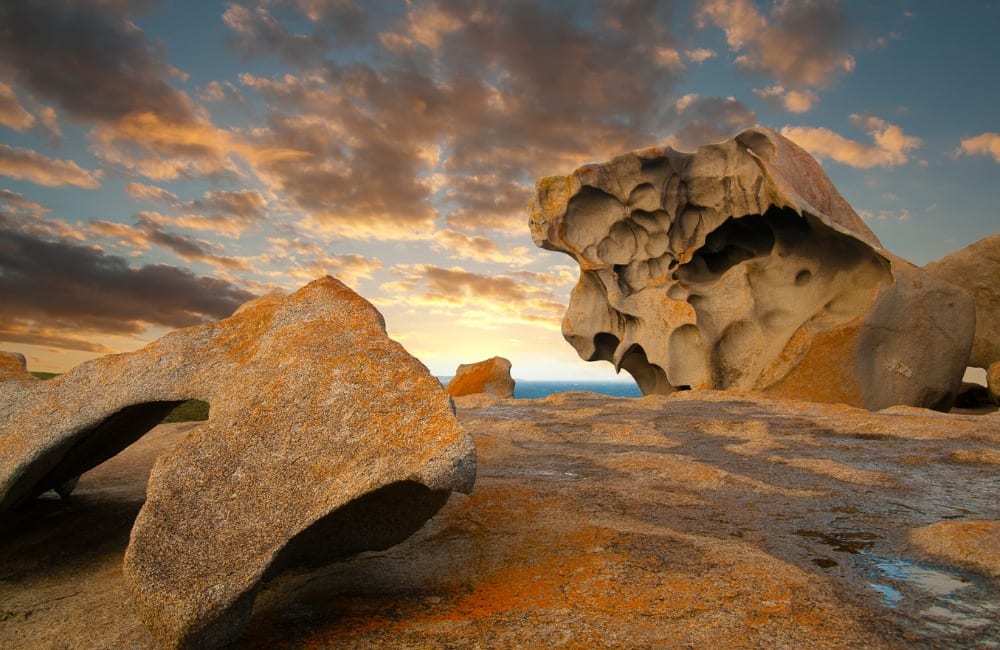
Visit the iconic Remarkable Rocks, a spectacular natural clifftop sculpture. Break for a picnic with binoculars close by – looking out for Australian Kestrels, Tawny-crowned Honeyeaters, and another chance to try for Southern Emu-wrens and the elusive White-bellied Whipbird.
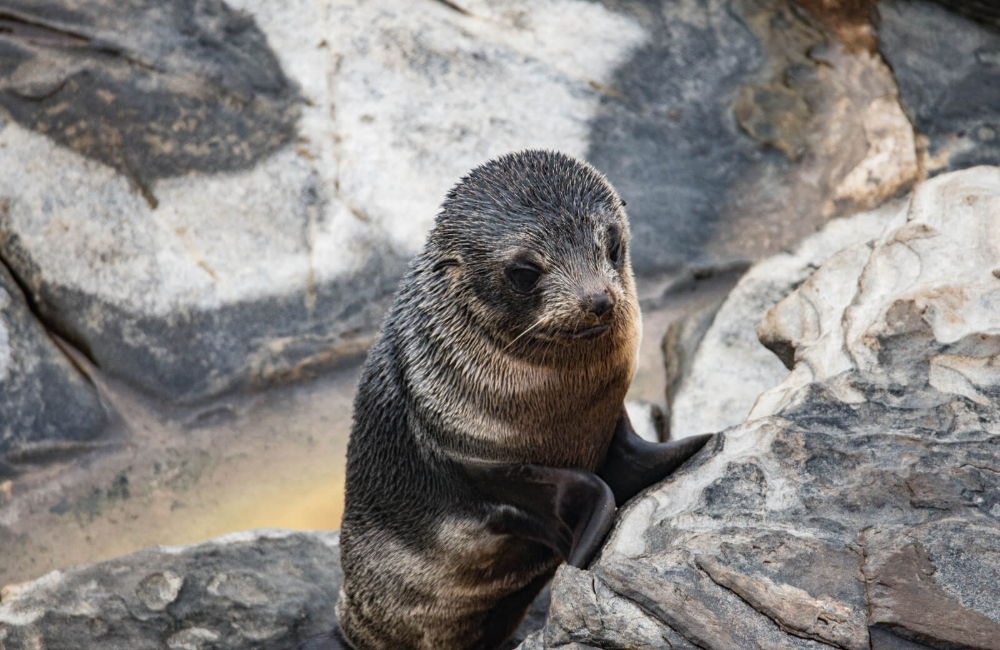
Nearby is Admiral’s Arch – a sea cave which often turns up Australian Ravens (surprisingly), Sooty Oystercatchers, Crested Terns (which had Antarctic terns amongst them in 2006 and 2007), Pacific Gulls and a large Long-nosed Fur-seal colony. If a south-westerly wind is blowing, there is a chance to see pelagic species here as well.
Day 3
Duck Lagoon is a freshwater billabong where typical encounters include: White-eared, White-naped and Brown-headed Honeyeaters; Crimson Rosellas; Superb Fairy-wrens; Black Swans; Grey and Chestnut Teal; Yellow-billed Spoonbills; Pacific Black Duck; Australasian and Hoary-headed Grebes; Chestnut-breasted Shelducks; Little Pied Cormorants; and (seasonally) Freckled Ducks.
After morning tea, venture to the north coast of the Island. Explore Lathami Conservation Park, which protects the habitat of the Glossy Black-cockatoo. Regular encounters are Kangaroo Island Kangaroos; Tammar Wallabies; Scarlet Robins; Striated and Brown Thornbills; Grey Shrike-thrush; Short-beaked Echidnas; Golden Whistlers; and Beautiful Firetails.
At nearby Stokes Bay, seek out Australian Pelicans; Eastern Reef Herons, Hooded plovers and White-bellied Sea-eagles.
Travel inland to a private lunch site where your guide will prepare a seafood barbeque lunch. This area is home to Koalas, Crescent and New Holland Honeyeaters, Eastern Spinebills, Grey Fantails, Rainbow and Purple-crowned Lorikeets, Yellow-tailed Black-cockatoos, and a selection of smaller bush birds.
Continue exploring at D’Estrees Bay (Hooded Plovers, Ruddy Turnstones (seasonally), Eastern Osprey, Rock Parrots (seasonally) and a look at one of the MacGillivray Wetlands on the way back to the airport.


